Virlock
- 122
- Global rank
- 102
- Month rank
- 107
- Week rank
Virlock is a unique ransomware strain that combines encryption capabilities with file infection techniques. First observed in 2014, it stands out due to its polymorphic nature and ability to embed its code into compromised files, ensuring continued propagation. Once it infects a system, it encrypts files and locks the screen, demanding a ransom for file recovery and system access.
- Ransomware
- Type
- Unknown
- Origin
- 1 December, 2014
- First seen
- 17 October, 2026
- Last seen
How to analyze Virlock with ANY.RUN
IOCs
IP addresses
- 150.171.109.107
- 150.171.109.101
- 23.194.190.163
- 48.209.6.48
- 74.144.67.129
- 216.239.34.36
- 23.3.89.96
- 150.171.28.12
- 142.251.13.94
- 20.165.94.63
- 190.186.45.170
- 150.171.109.100
- 142.251.13.100
- 150.171.27.10
- 20.190.160.131
- 150.171.110.5
- 184.24.77.179
- 20.74.24.87
- 142.251.20.94
- 142.251.110.113
Hashes
- 609824cc9c4f6c26c529ea3eb6f112c1a7c74d5ed58e25b6f9d88dce5944626a
- f9dca0bccec82bd9d35092da6f0cbbab5602ccc85941b6213481de3b90686f0f
- 2a8a60863a0e6d482af55fa11d21138f48defde20edeb45922afc6afd736f11e
- 208cfae2f2a909babeba3ce2879dc78857c7cdec1cacab0837e6a7140b4c8dc9
- 2b6fe0c90aa89bfe8cc80c1e14556771fc08dac088b142f15f7a93e0b01d8bd5
- 50c58839e8550f1a00a1ebe5a7d81bca18f0f0e162688891aeee5c2d86214cf0
- df454575c9011184bee4b96dcea0069d1636e3e4a3dbdd9cbe0bcc75eb378527
- 34ff20e182a565cd7b870248479a9b1da4593988f89fb5db965ef4913fb57985
- b3304f9dbb8848d995e93bb782dde9be4fa457da90cffd74d0296d28a6c9f7ce
- 0f015363e17b4320aa73bb7db01a87773bb171120ef59cb9ebdc13c857df1692
- e07fd30bad8361a464211ff30eb899e964cda663a4fabe2df148d2bee38ea40b
- d9c6f20fdb8a12e26e6c49c8838c2b531a5182f9ec4270ebbf6ad98fbb7b4c74
- c327c0485909f634c456cea42f7db6353fa4942efe43a2c336d3932784c927ed
- 0c0d2156b64032bd4aaa334da85953a13d7b904f287280225dd4ae90a905c615
- 25b88475d4295aa3c66e3e54171742d8a739779ef668679ec0170c2361a3084e
- 39d08383f8d7404a1647566bf015827b88f90850243aa6bacc08f392ff5ed06a
- 2db96ea82375251c9d01fb44c98a0944b9ea8cad759a6526c39138b6f44eaba2
- 5c654e962ad4865aaa3b7e85de38333554fc592fcd4d99b77ef9bb9f8e7c6cd4
- f6d5859afbd18a0634ffdba65e416dc69ff12a43f325a54ab58a96e88f278187
- 964bd69a4a614c8d08533c132cd59b0d554fcb38c1ab172edf9aa4e0da9fdfc3
Domains
- www.googletagmanager.com
- edge.microsoft.com
- fe3cr.delivery.mp.microsoft.com
- slscr.update.microsoft.com
- browser.events.data.msn.com
- fonts.googleapis.com
- edge-mobile-static.azureedge.net
- api.msn.com
- www.gstatic.com
- th.bing.com
- nexusrules.officeapps.live.com
- www.bing.com
- login.live.com
- aefd.nelreports.net
- fonts.gstatic.com
- activation-v2.sls.microsoft.com
- www.microsoft.com
- sb.scorecardresearch.com
- www.virustotal.com
- c.msn.com
URLs
- http://ocsp.digicert.com/mfewtzbnmeswstajbgurdgmcgguabbq50otx%2fh0ztl%2bz8sipi7wewvxdlqqutijuibiv5unu5g%2f6%2brks7qyxjzkceaz1vqyrvgl0erhqlcpm8gy%3d
- http://ocsp.digicert.com/mfewtzbnmeswstajbgurdgmcgguabbtrjrydryt%2bapf3gspypfhbxr5xtqqus9tippmhxdiunkhmewnpyim8s8yceajtxtab8my1oj8mfwpz%2f7y%3d
- http://oneocsp.microsoft.com/ocsp/mfqwujbqme4wtdajbgurdgmcgguabbq3l3%2f%2fa6adk8nray2gxzvayrhg4aqub6t%2b2v%2bxq3lso2d33ojhnyhhqoucezmaaaafuwohyjguzpcaaaaaaau%3d
- http://crl.microsoft.com/pki/crl/products/microoceraut2011_2011_03_22.crl
- http://www.microsoft.com/pkiops/crl/microsoft%20secure%20server%20ca%202026.crl
- http://google.com/
- http://edge.microsoft.com/browsernetworktime/time/1/current?cup2key=2:wxdk_uzsmciu1dwddipy04oz1ae2byfl5oevttjriu8&cup2hreq=e3b0c44298fc1c149afbf4c8996fb92427ae41e4649b934ca495991b7852b855
- https://settings-win.data.microsoft.com/settings/v3.0/wsd/waasassessment?os=windows&osver=10.0.19041.1.amd64fre.vb_release.191206-&ring=retail&sku=48&deviceclass=windows.desktop&locale=en-us&deviceid=bad99146-31d3-4ec6-a1a4-be76f32ba5d4&flightring=retail&telemetrylevel=1&hidovergattreg=c%3a%5cwindows%5csystem32%5cdriverstore%5cfilerepository%5chidbthle.inf_amd64_9610b4821fdf82a5%5cmicrosoft.bluetooth.profiles.hidovergatt.dll&appver=10.0&processoridentifier=amd64%20family%2023%20model%201%20stepping%202&oemmodel=dell&updateoffereddays=4294967295&processormanufacturer=authenticamd&installdate=1661339444&oemmodelbaseboard=&branchreadinesslevel=cb&oemsubmodel=j5cr&isclouddomainjoined=0&deferfeatureupdateperiodindays=30&isdeviceretaildemo=0&flightingbranchname=&osuilocale=en-us&devicefamily=windows.desktop&wuclientver=10.0.19041.3996&uninstallactive=1&isflightingenabled=0&osskuid=48&processorclockspeed=3094&totalphysicalram=6144&securebootcapable=0&app=waasassessment&processorcores=6¤tbranch=vb_release&installlanguage=en-us&deferqualityupdateperiodindays=0&servicingbranch=cb&oemname_uncleaned=dell&tpmversion=0&primarydisktotalcapacity=262144&installationtype=client&attrdataver=186&processormodel=amd%20ryzen%205%203500%206-core%20processor&isedgewithchromiuminstalled=1&osversion=10.0.19045.4046&ismdmenrolled=0&activationchannel=retail&honorwufbdeferrals=0&firmwareversion=a.40&trendinstalledkey=1&osarchitecture=amd64&defaultuserregion=244&updatemanagementgroup=2
- https://settings-win.data.microsoft.com/settings/v3.0/flightsettings/fsservice?processorclockspeed=3094&isretailos=1&oemmanufacturername=dell&flightingpolicyvalue=3&enablepreviewbuilds=4294967295&osversionfull=10.0.19045.4046.amd64fre.vb_release.191206-1406&managepreviewbuilds=3&branchreadinesslevelsource=0&attrdataver=186&processorcores=6&branchreadinesslevelraw=16&totalphysicalram=6144&tpmversion=0&oemmodelnumber=dell&systemvolumetotalcapacity=260281&deviceid=s%3abad99146-31d3-4ec6-a1a4-be76f32ba5d4&app=fss&appver=10.0&smartactivehoursstate=1&activehoursstart=20&securebootcapable=0&activehoursend=13&devicefamily=windows.desktop
- https://edge.microsoft.com/serviceexperimentation/v3/?osname=win&channel=stable&osver=10.0.19045&devicefamily=desktop&installdate=1661339457&clientversion=133.0.3065.92&experimentationmode=2&scpguard=0&scpfull=0&scpver=0
- https://config.edge.skype.com/config/v1/edge/133.0.3065.92?clientid=4489578223053569932&agents=edge%2cedgeconfig%2cedgeservices%2cedgefirstrun%2cedgefirstrunconfig&osname=win&client=edge&channel=stable&scpfre=0&osarch=x86_64&osver=10.0.19045&wu=1&devicefamily=desktop&uma=0&sessionid=72&mngd=0&installdate=1661339457&edu=0&soobedate=1504771245&bphint=2&fg=1&lbfgdate=1766137499&lafgdate=0
- https://copilot.microsoft.com/c/api/user/eligibility
- https://api.edgeoffer.microsoft.com/edgeoffer/pb/experiments?appid=edge-extensions&country=us
- https://ntp.msn.com/edge/ntp?locale=en-us&title=new%20tab&dsp=1&sp=bing&startpage=1&pc=u531
- https://ntp.msn.com/bundles/v1/edgechromium/latest/web-worker.ce4dac7514d83569.js
- https://ntp.msn.com/bundles/v1/edgechromium/latest/ssr-extension.ac11d11bd54ca186.js
- https://assets.msn.com/staticsb/statics/latest/mscmp/1.11/entry.js
- https://assets.msn.com/staticsb/statics/latest/js/thirdparty/adsdk/mscmp/1.0.14/sdk.js
- https://assets.msn.com/staticsb/statics/latest/fluent-icons/arrow_up_24_regular.svg
- https://assets.msn.com/staticsb/statics//latest/icons/ntptopstories.svg
Last seen at
What is Virlock ransomware?
Virlock is a unique form of ransomware that combines traditional file encryption with virus-like propagation methods. First identified in 2014, it not only encrypts files but also embeds its malicious code into them, allowing it to spread across systems via shared drives and removable media. Once executed, Virlock locks the victim's screen and displays a ransom note, often masquerading as a legal warning, demanding payment for file recovery and system access.
You can see an example of a ransom note displayed inside ANY.RUN’s sandbox:
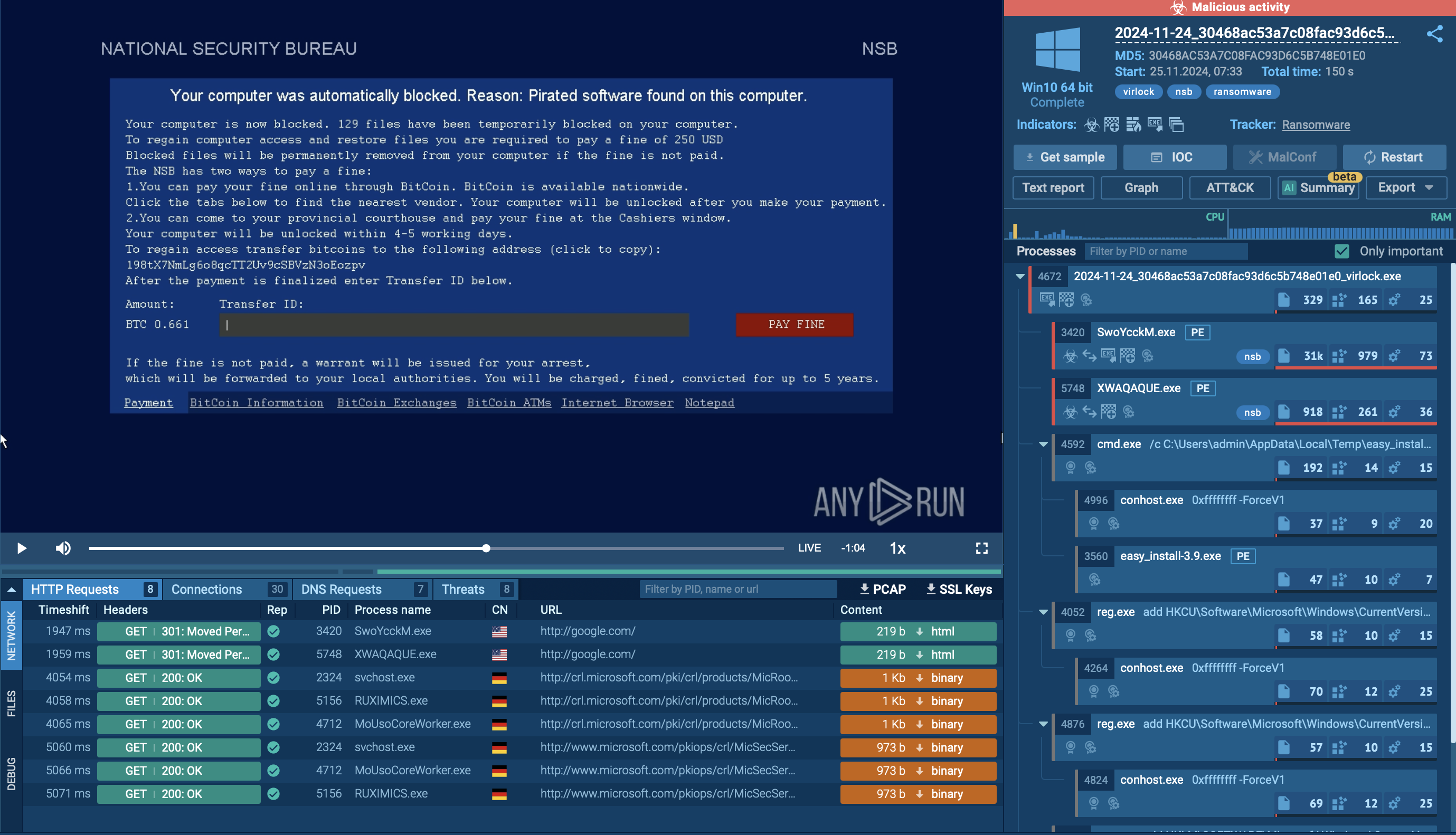
While specific large-scale attacks attributed solely to Virlock are not extensively documented, its unique propagation method poses significant risks, especially in environments that rely heavily on file sharing and collaboration tools. In 2016, security researchers highlighted Virlock's capability to spread through cloud storage and collaboration applications, emphasizing the potential for rapid, widespread infection within organizations.
Virlock's ability to both encrypt files and convert them into infectious agents makes it particularly dangerous. Even if a ransom is paid, residual infected files can lead to reinfection.
Virlock ransomware technical details
Virlock employs polymorphic techniques to evade detection. It changes its code structure with each infection, making it difficult for traditional signature-based antivirus solutions to recognize and block it.
The primary technical functionalities of Virlock ransomware include:
- Alters its code structure with each infection to evade signature-based detection.
- Embeds itself into various file types, converting them into carriers of the malware.
- Displays a full-screen ransom message, preventing user access to the system.
- Encrypts user files, rendering them inaccessible without a decryption key.
- Spreads through shared applications and cloud storage platforms.
- Modifies system registry entries to ensure it runs upon system startup.
- Employs methods to hinder analysis and detection by security tools.
- Customizes ransom messages based on the victim's geographic location.
- Registers itself as a service to maintain persistence on the infected system.
- Disables task manager and explorer processes to prevent user intervention.
The Virlock ransomware employs several layers of encryption, including XOR and XOR-ROL (rotate left) algorithms, to obfuscate its code and hinder analysis.
After infecting files, Virlock appends an .exe extension and modifies system settings to hide file extensions, making it harder for users to identify infected files.
Besides, this ransomware drops multiple instances of itself in different locations and registers them as services or startup entries, ensuring it remains active even if some instances are removed.
Virlock ransomware execution process
To see how Virlock operates, let’s upload its sample into ANY.RUN’s sandbox.
When Virlock is executed on a non-infected machine, it initiates by deploying three instances of itself, each with a specific function:
- Instance one: Responsible for infecting files.
- Instance two: Locks the victim's screen.
- Instance three: Establishes persistence by registering as a Windows service.
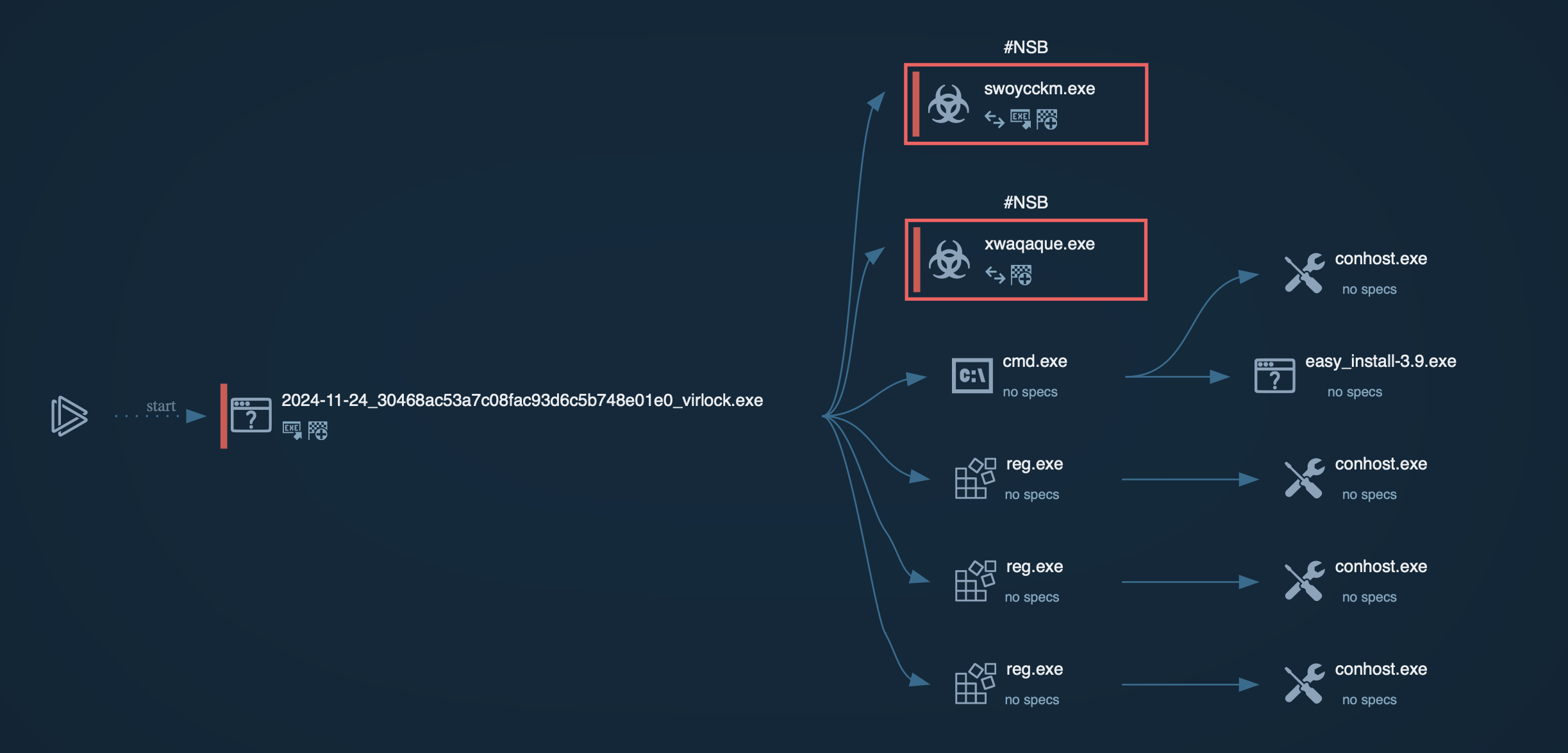
Virlock targets various file types, including documents and binary files. Upon locating these files, it encrypts their contents and appends its malicious code to the original file. This process transforms each infected file into a carrier capable of further spreading the ransomware. Any user who opens an infected file inadvertently activates the malware, enabling it to propagate within networks, particularly in cloud environments.
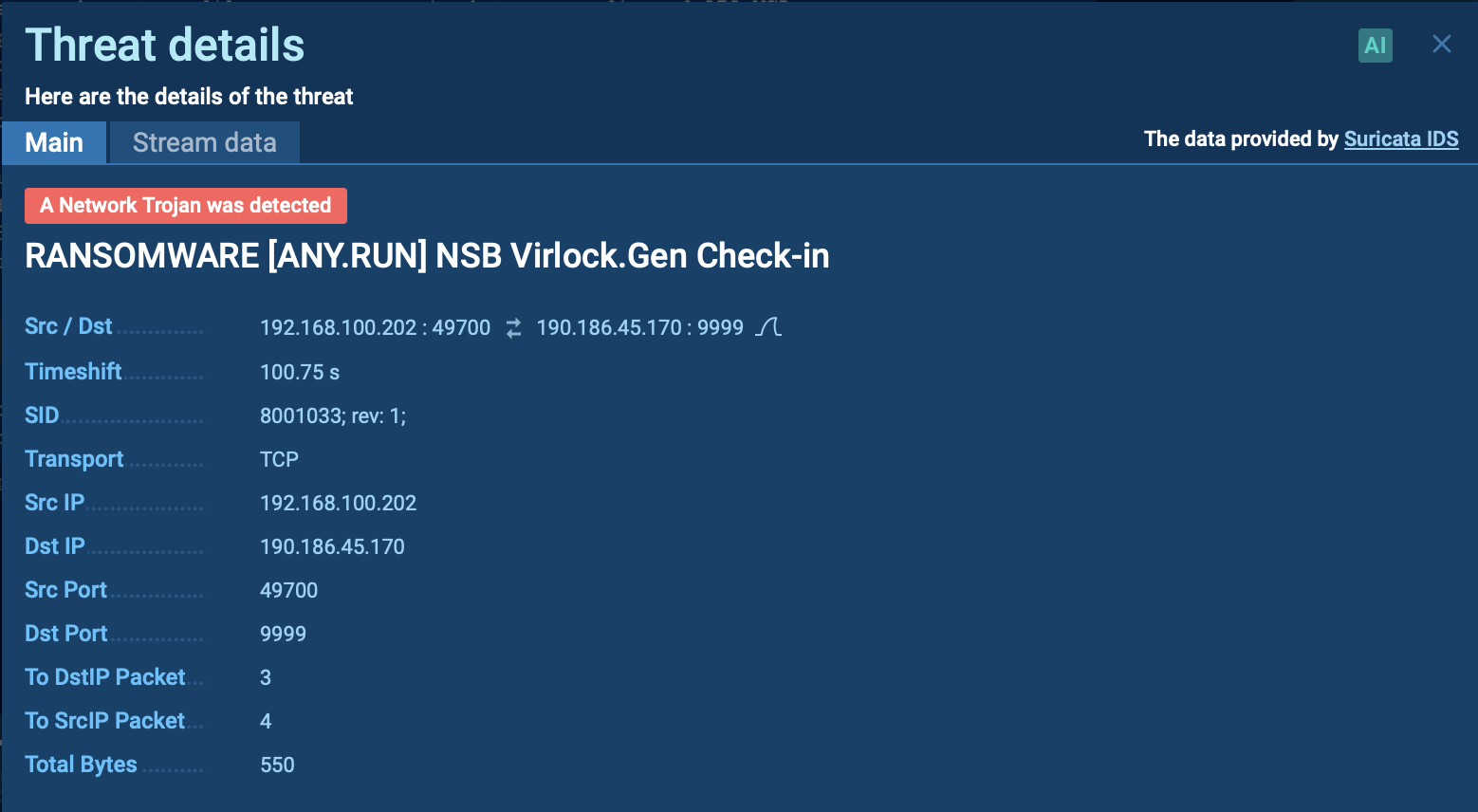
To ensure its continued operation even after system reboots, Virlock modifies the Windows registry:
- It adds entries to the Run registry keys under both HKCU (Current User) and HKLM (Local Machine), ensuring that its instances are executed automatically at startup.
- The third instance registers itself as a Windows service, maintaining persistence and functionality even if terminated manually.
During its operation, the second instance disables critical system processes such as explorer.exe and taskmgr.exe, effectively locking the victim’s screen.
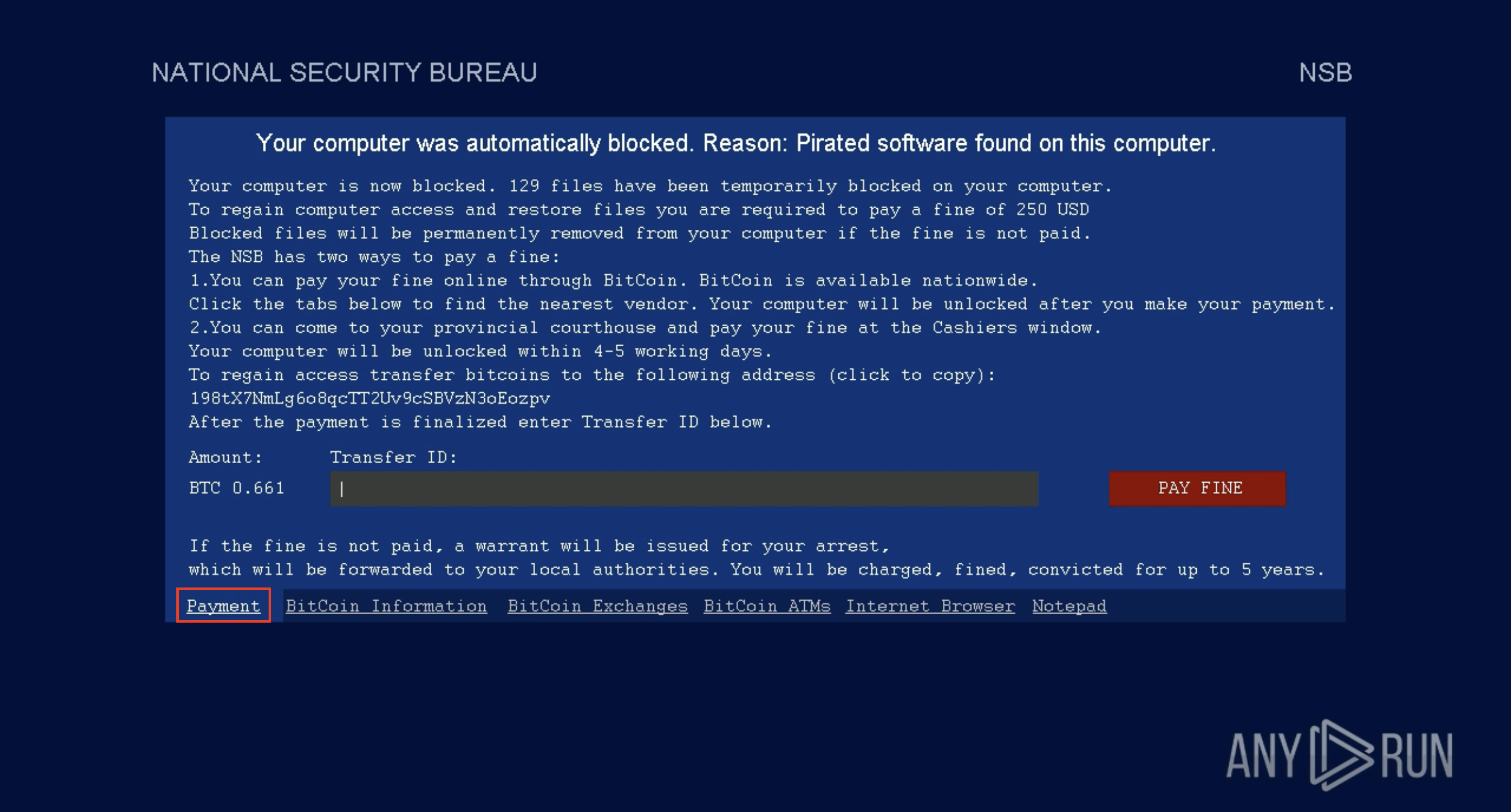
It also customizes the ransom message based on the victim's geolocation, demanding payment in Bitcoin to unlock the system. The ransom note often masquerades as an anti-piracy warning from law enforcement, threatening legal consequences to pressure victims into paying quickly.
Virlock employs a variety of anti-debugging measures and heavily obfuscated code to hinder analysis and detection:
- It uses XOR encryption for its payloads, complicating the efforts of traditional antivirus solutions to identify and neutralize the ransomware.
- Dynamic code execution and frequent polymorphic changes make its detection challenging.
The ransom note leverages social engineering to manipulate victims, presenting itself as a warning from legal authorities. This tactic is designed to create urgency and confusion, leaving victims less likely to explore alternative options before complying with the ransom demands
Virlock ransomware distribution methods
- Email attachments: Virlock is often delivered through phishing emails containing malicious attachments. When recipients open these attachments, the ransomware executes and infects the system.
- Malicious URLs: Attackers use deceptive links in emails or on compromised websites. Clicking these links can initiate the download and execution of Virlock.
- Infected executable files: Virlock embeds itself into executable files. Running these infected files can lead to system compromise.
- Cloud storage and collaboration tools: Virlock can spread through shared applications and cloud storage platforms. Infected files uploaded to these services can propagate the ransomware to other users who download and open them.
- Removable media: The ransomware can infect files on USB drives or other removable media. When these devices are connected to another system, the malware can spread.
- Network shares: Virlock can propagate through network shares by infecting files accessible to multiple users, facilitating its spread within organizational networks.
Gathering Threat Intelligence on Virlock Ransomware
To collect up-to-date intelligence on Virlock ransomware, use Threat Intelligence Lookup.
This powerful service provides access to a vast database populated with insights from millions of malware analysis sessions conducted in the ANY.RUN sandbox. With over 40 customizable search parameters, you can search for specific data related to Virlock, including IPs, domains, file hashes, file names, and process artifacts.
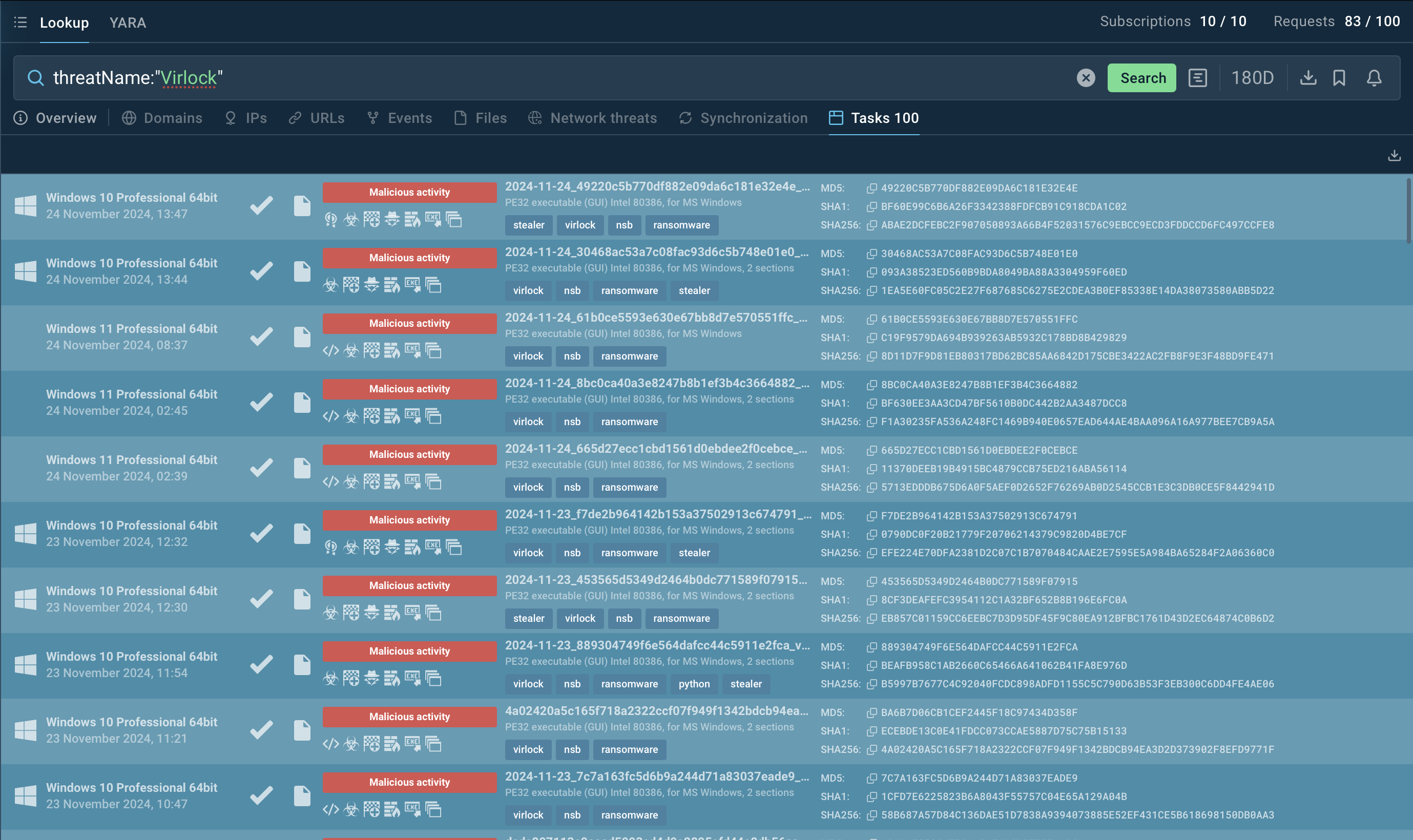
To gather intelligence on Virlock, you can search directly for its name or use related artifacts. For example, submitting a query like threatName:"Virlock" in Threat Intelligence Lookup will return a comprehensive list of associated samples and sandbox results, giving you actionable insights into the malware's behavior and indicators of compromise.
Conclusion
Virlock ransomware is a serious threat due to its ability to mutate, infect files, and evade detection, making it both difficult to detect and contain. Using tools like ANY.RUN is essential for proactively analyzing suspicious files and URLs to prevent potential attacks.
ANY.RUN offers real-time malware analysis with features like dynamic sandboxing, behavior tracking, and support for Windows and Linux. Its interactive platform simplifies threat detection and provides detailed insights to enhance cybersecurity defenses.
Sign up for a free ANY.RUN account today and start analyzing emerging threats with no limits!
Other malware & phishing threats
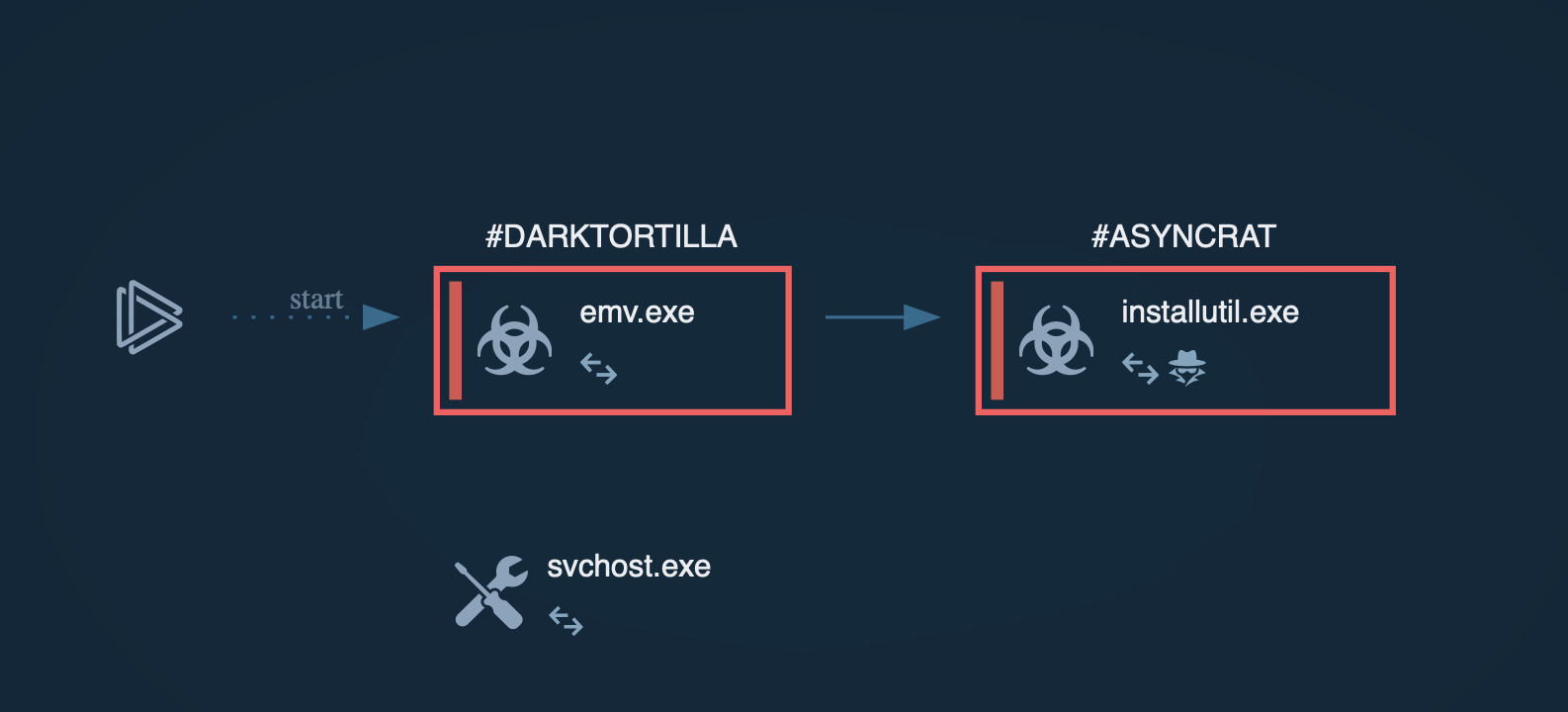 DarkTortillaDarkTortilla is a crypter used by attackers to spread harmful software. It can modify system files to stay hidden and active. DarkTortilla is a multi-stage crypter that relies on several components to operate. It is often distributed through phishing sites that look like real services.
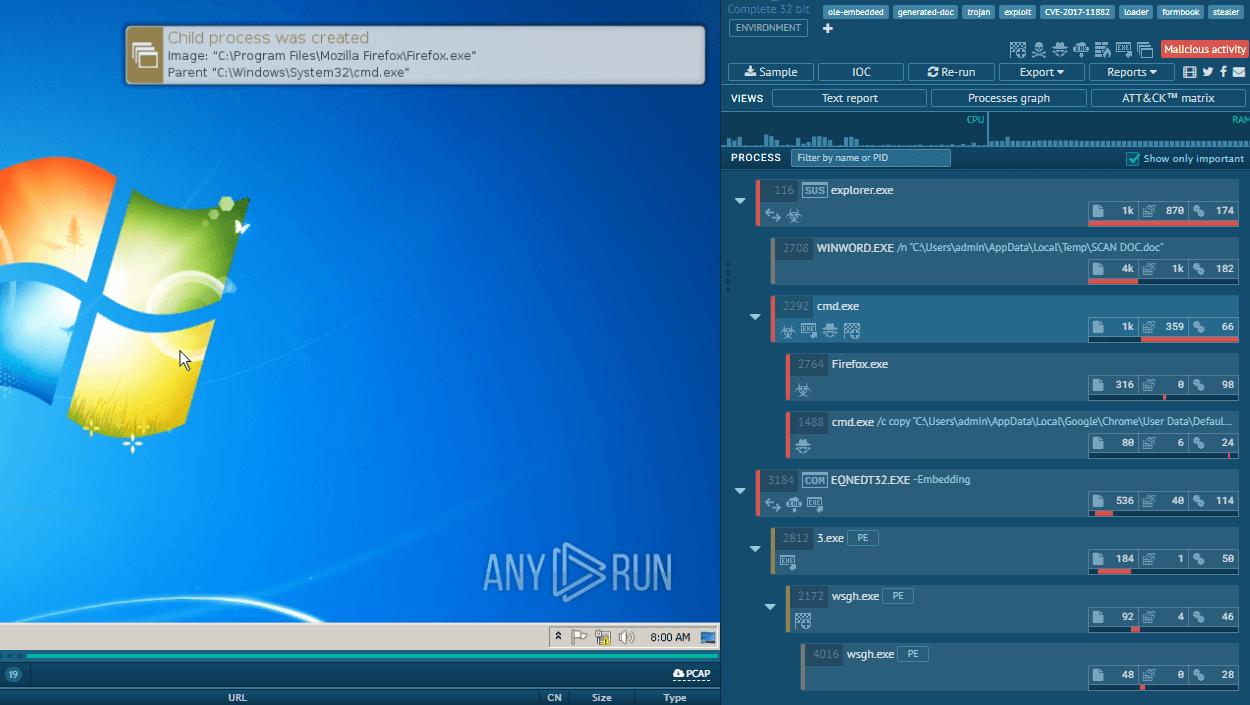 FormbookFormBook is a data stealer that is being distributed as a MaaS. FormBook differs from a lot of competing malware by its extreme ease of use that allows even the unexperienced
threat actors to use FormBook virus.
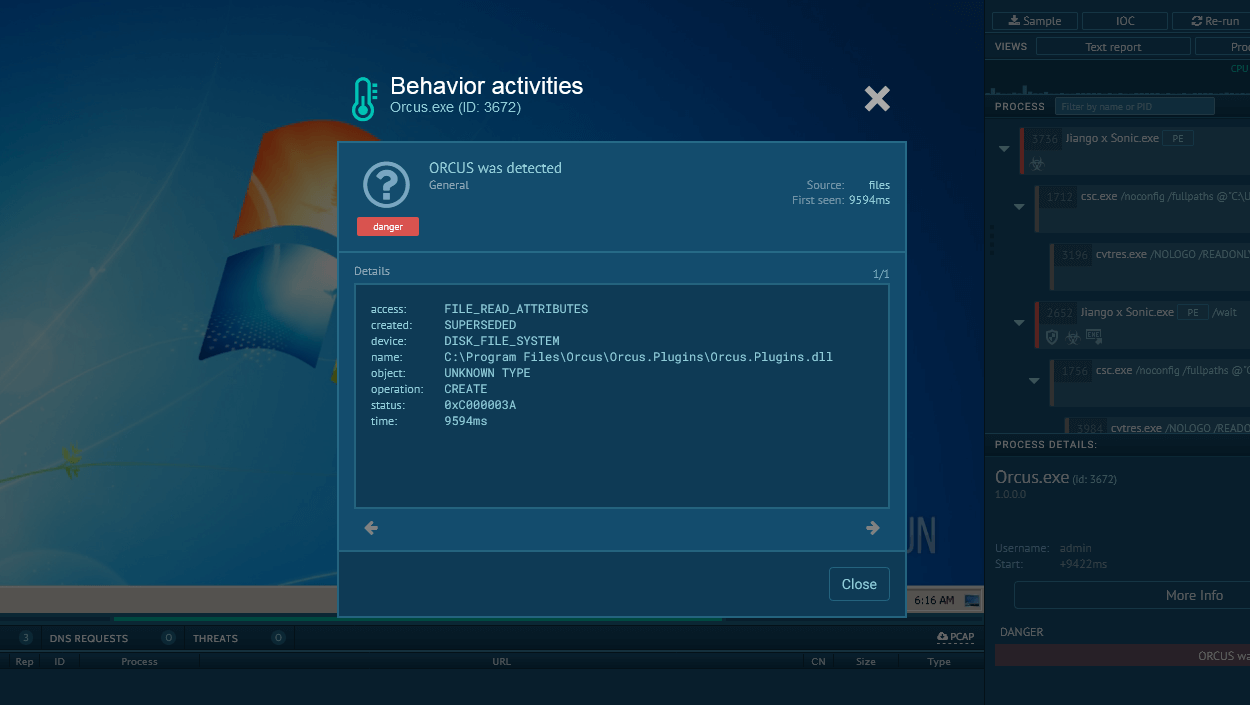 Orcus RATOrcus is a modular Remote Access Trojan with some unusual functions. This RAT enables attackers to create plugins using a custom development library and offers a robust core feature set that makes it one of the most dangerous malicious programs in its class.
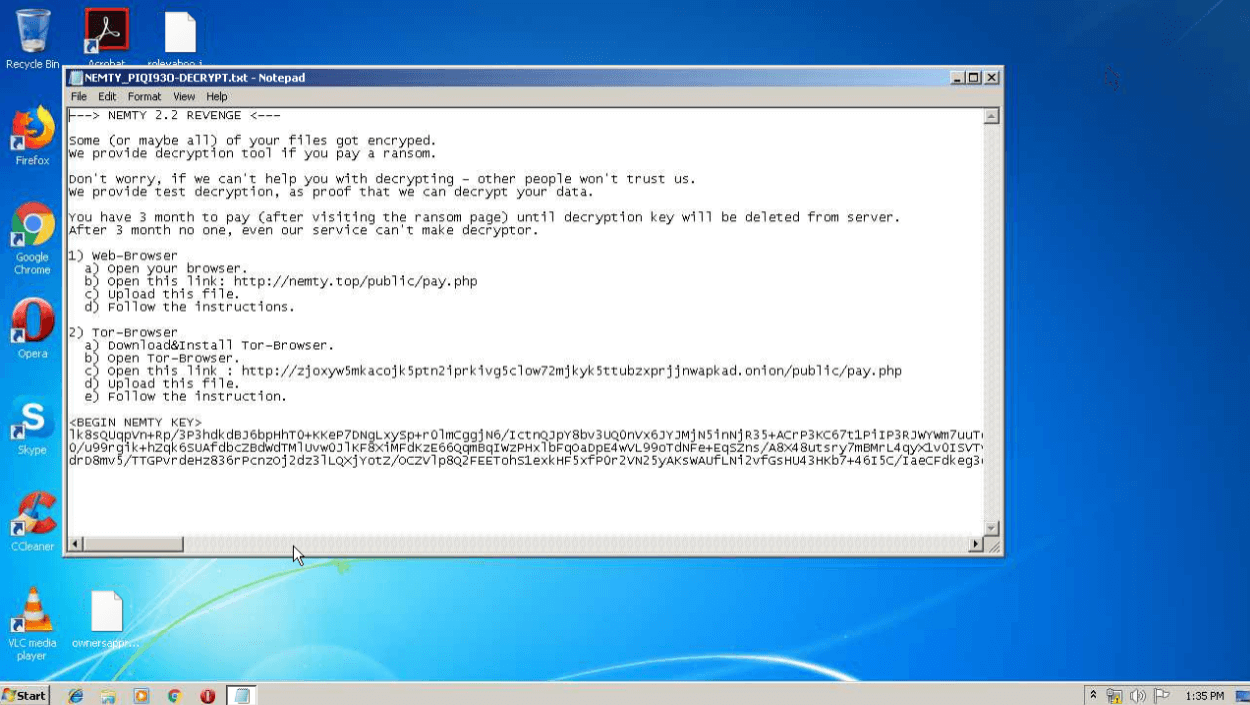 NemtyNemty is ransomware with an unusually complex encryption algorithm. This malware encrypts user files and demands money so that they can be unlocked again. It may be connected to other famous ransomware, but we don’t know for sure.
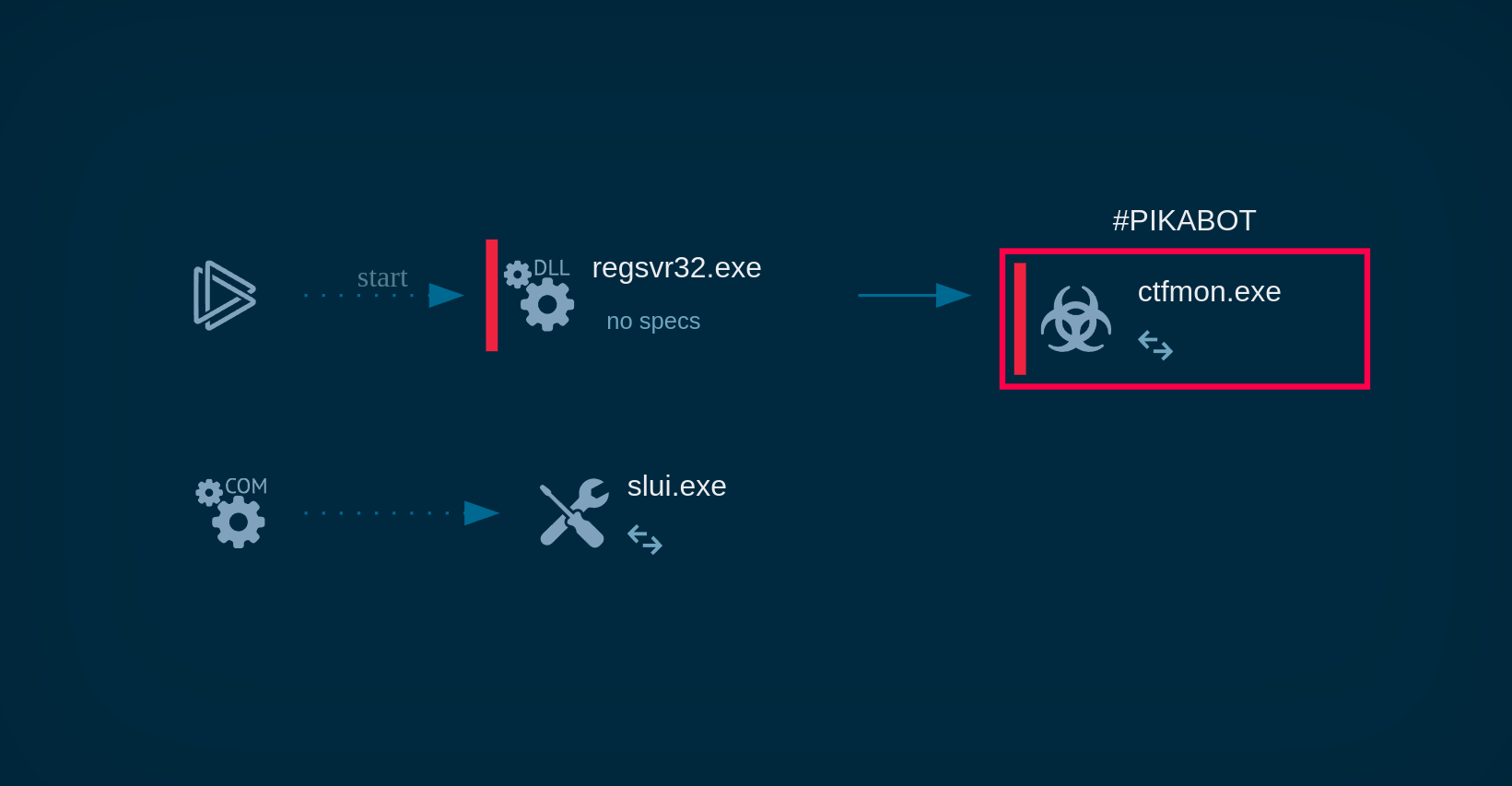 PikabotPikabot is a trojan malware with a focus on loader capabilities. Pikabot is also used for other activities, such as executing commands on the infected system. The earlier versions of the malware made use of extensive code obfuscation to evade detection. Upon infection, it collects system information and sends it to command-and-control servers.
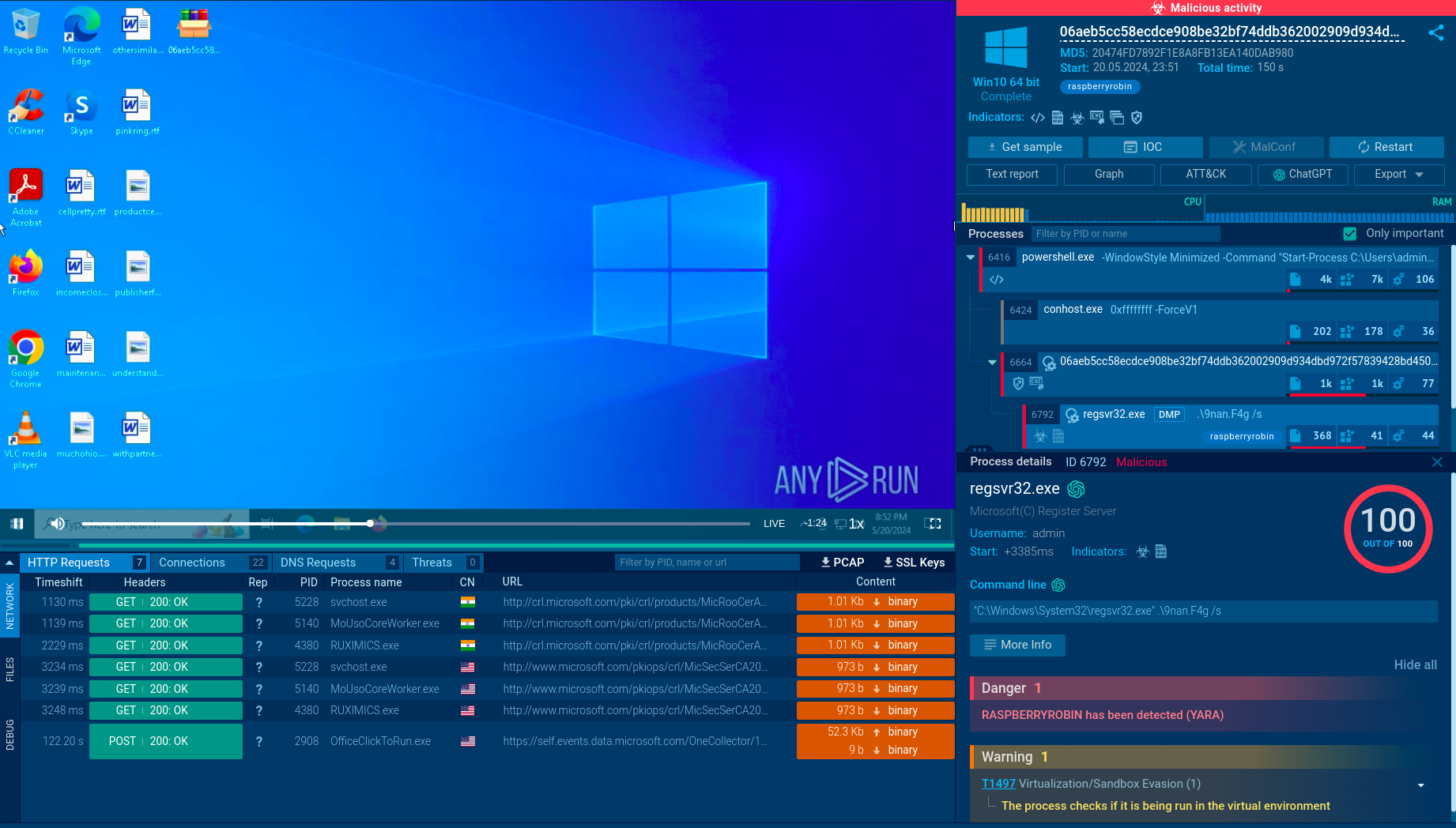 Raspberry RobinRaspberry Robin is a trojan that primarily spreads through infected USB drives and exploits legitimate Windows commands. This malware is known for its advanced obfuscation techniques, anti-debugging mechanisms, and ability to gain persistence on infected systems. Raspberry Robin often communicates with command-and-control servers over the TOR network and can download additional malicious payloads.